

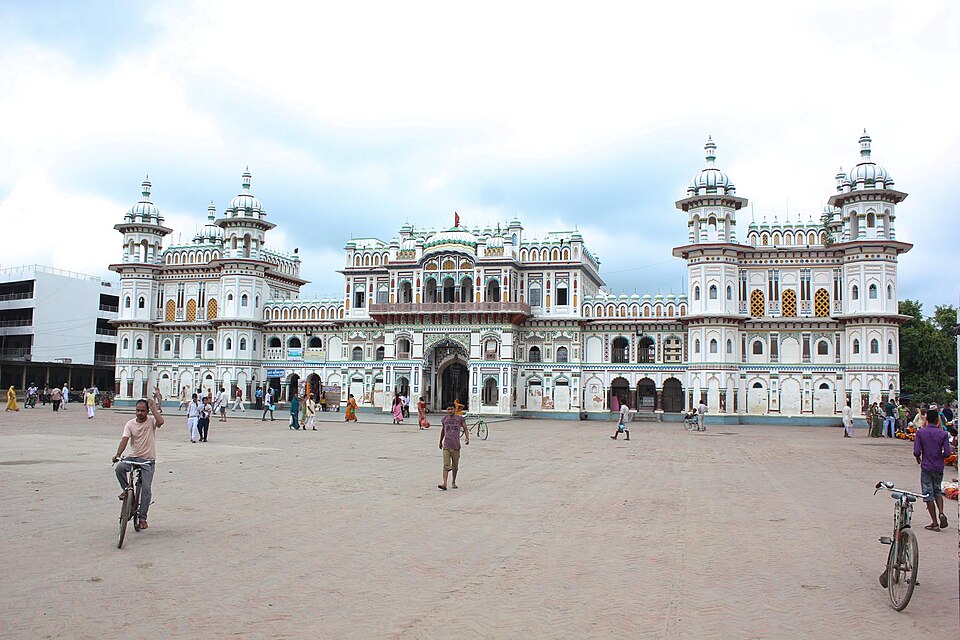
Janakpur, the ancient capital of Mithila, stands as one of Nepal's most sacred pilgrimage destinations. Known as the birthplace of Sita and the site where Lord Ram and Sita were married, this city in the Dhanusha district draws thousands of devotees and travelers each year. With the renewed global interest in Ramayana tourism, especially following the inauguration of the Ayodhya Ram Mandir, Janakpur has emerged as a must-visit destination in 2026.
Whether you're a pilgrim seeking spiritual connection, a culture enthusiast exploring Mithila traditions, or a traveler discovering Nepal's Terai region, this comprehensive guide covers everything you need to know about places to visit in Janakpur.
What You'll Find in This Guide:
Complete list of Janakpur tourist places with detailed insights
Best time to visit and festival calendar
Practical itineraries for 1-day and 2-day trips
How to reach Janakpur from Kathmandu and India
Where to stay near Janaki Mandir
Cultural experiences and local travel tips
Here are the best places to visit in Janakpur that should be on every traveler's list:
| Rank | Place | Why Visit
| Best For | Location |
| 1 | Janaki Mandir | Nepal's most magnificent Hindu temple, dedicated to the Goddess Sita | Everyone, from pilgrims, photographers, to culture lovers | Central Janakpur |
| 2 | Ram Sita Vivah Mandap | The sacred wedding pavilion where Ram and Sita were married | Spiritual seekers, mythology enthusiasts | 200m from Janaki Mandir |
| 3 | Dhanush Sagar | Pond with holy origins and evening aarti ceremonies | Evening rituals, photography | 5-minute walk from the temple |
| 4 | Ganga Sagar | Peaceful pond perfect for sunset views | Relaxation, street food exploration | Near Janaki Mandir |
| 5 | Mithila Art Center | Experience traditional Madhubani painting workshops | Art lovers, cultural travelers | Janakpur market area |
| 6 | Raj Devi Temple | Ancient temple with local spiritual significance | Devotees seeking quieter spaces | Main city area |
| 7 | Ram Mandir | Important local worship center | Daily prayer participants | Near Bus Park |
| 8 | Janakpur Railway Station | Heritage architecture from the British era | Photography, families | 3-4 km from the center |
| 9 | Dhanushadham | The site where Lord Shiva's bow broke | Day-trip pilgrims | 18-20 km from Janakpur |
| 10 | Local Mithila Markets | Traditional handicrafts, Mithila paintings, and local cuisine | Shopping, food exploration | Central area |
Janakpur, also known as Janakpurdham, is more than just another religious destination. It represents the living heritage of Mithila culture, which spans across Nepal's southern Terai and the Indian state of Bihar. The city's identity is deeply intertwined with the Ramayana. It is also where King Janak ruled his kingdom, Mother Sita was born, and one of Hinduism's most celebrated marriages took place.
Why Janakpur Tourism Is Growing in 2025-2026:
The city has seen a remarkable surge in visitors following the 2024 Ram Mandir inauguration in Ayodhya. Travelers are now exploring the complete "Ramayana Circuit," which connects Ayodhya (Ram's birthplace), Janakpur (Sita's birthplace), and other mythological sites. This cross-border pilgrimage has firmly placed Janakpur on the international tourism map.
Cultural Distinctiveness:
What sets Janakpur apart is its preservation of Maithili traditions. The local language, Maithili, differs from other Nepali language and connects the region to its ancient roots. You'll encounter this cultural richness in:
Intricate Mithila paintings (Madhubani art) adorning homes and shops
Traditional architecture with backyards and painted walls
Local festivals are celebrated with unique Maithili rituals
Distinctive cuisine blending Nepali and Bihari flavors
The Festival City:
Janakpur's festival calendar draws massive crowds. Vivah Panchami, which celebrates Lord Ram and Sita's wedding, transforms the city into a spiritual carnival every November and December. Other significant festivals include Ram Navami, Chhath Puja, and Holi, each offering travelers a different cultural perspective.
1. Janaki Mandir - The Crown Jewel of Janakpur
Janaki Mandir stands as Nepal's most stunning example of Mughal-inspired architecture. Built in 1910 by Queen Vrisha Bhanu of Tikamgarh, this three-story marble temple dominates Janakpur's skyline with its pristine white domes and intricate carvings.
What Makes It Special:
60 rooms spread across three floors, each dedicated to a different deity
Main sanctum houses idols of Sita (Janaki) and Ram
Exquisite marble work imported from Rajasthan
Evening aarti ceremonies that attract hundreds of devotees
Architectural blend of Mughal and Koiri styles
Best Time to Visit: Early morning (5:00-7:00 AM) for peaceful darshan, or evening (6:00-7:30 PM) for the grand aarti ceremony. During Vivah Panchami, the temple remains crowded throughout the day.
Visiting Tips:
Remove shoes before entering (shoe-keeping counters are available at the entry points).
Dress modestly (covered shoulders and knees).
Photography is allowed in the outer areas, but restricted inside the sanctum.
Free entry, but donations are always welcome and encouraged.
How to Reach: Located in the heart of Janakpur, accessible by rickshaw, tempo, or walking from most accommodations in the city center.
Nearby Attractions: Ram Sita Vivah Mandap (200m walk), Dhanush Sagar (5-minute walk), local markets (immediate vicinity)
2. Ram Sita Vivah Mandap - Where the Divine Marriage Took Place
Just a short walk from Janaki Mandir, the Ram Sita Vivah Mandap marks the exact spot where King Janak arranged the swayamvar and Lord Ram won Sita's hand by breaking the powerful bow of Lord Shiva.
Mythological Significance:
According to the Ramayana, King Janak declared that whoever could string Shiva's mighty bow would marry his daughter Sita. Numerous kings and princes failed, but Lord Ram not only strung the bow, but even broke it. This sacred site commemorates that momentous event.
What to Experience:
Open-air pavilion with a sanctified central platform
Daily rituals and prayers are conducted by the local priests
Special ceremonies during the Vivah Panchami celebration recreate the wedding
Peaceful atmosphere, perfect for meditation
Best Time to Visit: Morning hours (6:00-9:00 AM) or during evening prayers. The site comes alive during Vivah Panchami with elaborate wedding reenactments.
Travel Tip: Visit this site immediately after Janaki Mandir to complete the spiritual circuit. Local guides (available near Janaki Mandir) can explain the detailed mythology.
[→ Read Full Article about Vivah Panchami]
3. Raj Devi Temple - Local Spiritual Center
While tourists flock to Janaki Mandir, locals often prefer the quieter Raj Devi Temple for their daily prayers. This temple offers an authentic glimpse into the everyday spiritual life of Janakpur.
What to Know:
Dedicated to Goddess Durga
Less crowded, more intimate atmosphere
Beautiful traditional Nepali temple architecture
Local festivals are celebrated with community participation
Best For: Travelers seeking peaceful prayer time away from crowds, those interested in observing local religious practices.
4. Ram Mandir - Community Worship Hub
Located near the bus park, Ram Mandir serves as an important local temple. Though smaller than Janaki Mandir, it holds significant value for daily worshippers and offers a different architectural style.
Visiting Note: Best combined with a trip to the railway station or when exploring the market areas.
5. Dhanushadham - Day Trip Pilgrimage Site
Located approximately 18-20 kilometers from Janakpur, Dhanushadham (also called Dhanusha Dham) is believed to be where Lord Ram broke Shiva's bow during Sita's swayamvar.
Why Visit:
Important mythological site in the Ramayana circuit
A temple complex with shrines to Shiva and Ram
Peaceful rural setting away from city crowds
Annual fairs during major Hindu festivals
How to Reach: Hire a private vehicle or take a local bus from Janakpur bus park (approximately 45 minutes). Best visited as a half-day excursion.
Travel Tip: Combine with a visit to nearby rural villages to experience authentic Mithila countryside life.
6. Dhanush Sagar - Sacred Waters & Evening Aarti
Dhanush Sagar, one of Janakpur's many sacred ponds, holds special significance as the site where pieces of Shiva's broken bow are believed to have fallen. The pond comes alive during evening aarti ceremonies.
What to Experience:
Traditional evening aarti with oil lamps floating on water
Local devotees performing ritual baths
Surrounding ghats are perfect for photography
Peaceful atmosphere for meditation
Small tea shops and street food vendors are nearby
Best Time to Visit: Evening between 5:30-7:00 PM for the aarti ceremony. Morning visits (6:00-8:00 AM) offer serene views with fewer crowds.
Photography Tips:
Golden hour (just before sunset) provides the best lighting
Evening aarti creates beautiful reflection shots
Respectfully photograph rituals from designated areas
Getting There: 5-minute walk from Janaki Mandir. Follow signs or ask locals for "Dhanush Sagar."
7. Ganga Sagar - Sunset Views & Local Life
Ganga Sagar offers a more relaxed pond experience compared to Dhanush Sagar. This is where locals come to unwind, and the surrounding area features small local shops.
What Makes It Special:
Beautiful sunset views across the water
Less ritualistic, more social atmosphere
Great spot to observe local daily life
Street food vendors selling local snacks
Clean ghats suitable for sitting and relaxing
Best For: Evening relaxation after temple visits, experiencing local culture, and casual photography.
Nearby: Close to Janaki Mandir complex, easily walkable from central areas.
8. Other Sacred Ponds
Janakpur features over 100 sacred ponds (sagar/kund), though many are smaller. Notable ones include:
Argaja Sarovar - Another mythologically significant pond
Various temple ponds - Scattered throughout the city
These water bodies are integral to understanding Janakpur's nickname as the "City of Ponds."
9. Mithila Art Center & Painting Workshops
Janakpur is the heart of Mithila painting (also called Madhubani art), a traditional art form featuring intricate geometric patterns, mythological scenes, and nature motifs. The Mithila Art Center offers visitors a chance to witness and participate in this ancient craft.
What to Experience:
Watch local artists create traditional Mithila paintings
Participate in hands-on painting workshops
Purchase authentic artwork directly from artists
Learn about the symbolism and techniques used
Photography of the artistic process (with permission)
Why It Matters: Mithila art is traditionally created by women and passed down through generations. Supporting this center helps preserve this UNESCO-recognized cultural heritage.
Workshop Details:
Duration: 1-3 hours, depending on complexity
Cost: Varies by workshop (typically NPR 500-2000)
Booking is recommended for groups
All materials provided
Best For: Culture enthusiasts, families with children, travelers seeking unique experiences beyond temples.
Getting There: Located in the market area, ask locals for "Mithila Art Center" or look for signs near Janaki Mandir.
10. Local Mithila Markets - Shopping & Authentic Cuisine
Janakpur's bustling markets offer an authentic slice of Mithila culture. Here you'll find everything from religious items to handicrafts to delicious street food.
What to Buy:
Mithila paintings on paper, cloth, or ceramics
Traditional Maithili textiles and clothing
Handicrafts, including bamboo work and pottery
Religious items - idols, prayer beads, incense
Where to Eat: The markets feature numerous street food vendors and small restaurants serving:
Dal-bhat - Traditional Nepali meal
Chura-dahi - Beaten rice with yogurt
Maithili preparations - including fish dishes unique to the region
Sweet shops - Don't miss the local pedha
Shopping Tips:
Bargaining is expected and part of the culture
Best prices found in inner market areas away from the main temple
Morning hours (8:00-11:00 AM) are less crowded
Many shops close during afternoon hours (2:00-4:00 PM)
Market Areas:
Main Market (near Janaki Mandir) - religious items, souvenirs
Station Road Market - handicrafts, textiles
Local bazaars - fresh food, daily goods
11. Janakpur Railway Station - Heritage Architecture
Built during the British era, Janakpur Railway Station is more than just a transport hub. It's also an architectural landmark. The station connects Janakpur to Jaynagar in India and represents a slice of colonial-era heritage.
Why Visit:
Beautiful British colonial architecture
Nepal’s only railway station
Historic railway connection to India
Perfect photo opportunity
Interesting to observe the unique narrow-gauge train
Pleasant gardens surrounding the station
Photography Note: The colorful trains against the heritage building create excellent photo compositions, especially during morning light.
Best Combined With: A visit to nearby Ram Mandir or as part of exploring the broader city beyond the temple area.
Getting There: Located 3-4 km from Janaki Mandir. Take a rickshaw or tempo (approximately 10-15 minutes).
While Janakpur itself offers plenty to explore, several nearby destinations make excellent day trips or extensions to your itinerary.
Jaleshwar (60 km)
A small town in the Mahottari district known for its temples and local markets. The journey passes through the beautiful Terai countryside.
Best For: Travelers with extra time interested in off-the-beaten-path destinations.
Dhanushadham (18-20 km)
As mentioned earlier, this important pilgrimage site deserves a dedicated half-day visit for anyone following the complete Ramayana circuit.
Sitamarhi, Bihar, India (Cross-Border Tourism)
Located just across the Nepal-India border, Sitamarhi is believed by some to be Sita's actual birthplace. The Punaura Dham temple here attracts pilgrims from both countries.
Border Crossing Note: Indian and Nepali citizens can cross relatively easily. Other nationals should check visa requirements. The border crossing at Jaleshwar is the most convenient.
Day Trip Possibility: Yes, but allow a full day for border formalities and travel time.
Morning (6:00 AM - 12:00 PM)
6:00 AM: Start with early morning darshan at Janaki Mandir (avoid crowds)
7:30 AM: Visit Ram Sita Vivah Mandap for peaceful prayers
8:30 AM: Breakfast at a local restaurant (chura-dahi or dal-bhat)
9:30 AM: Explore Mithila Art Center, perhaps join a short workshop
11:00 AM: Walk through local markets, shop for Mithila paintings
Afternoon (12:00 PM - 5:00 PM)
12:00 PM: Lunch at a local restaurant
1:00 PM: Rest at your hotel (Janakpur gets hot midday)
3:00 PM: Visit Dhanush Sagar, explore the surrounding area
4:00 PM: Relax at Ganga Sagar, enjoy sunset views
Evening (5:00 PM - 8:00 PM)
5:30 PM: Attend evening aarti at Dhanush Sagar
6:30 PM: Return to Janaki Mandir for a grand evening aarti
7:30 PM: Dinner and explore evening markets
8:00 PM: End your day
This Itinerary Covers: All major places to visit in Janakpur, cultural experiences, and spiritual highlights.
Day 1: Temple Circuit & Culture
Morning: Janaki Mandir, Ram Sita Vivah Mandap, local breakfast
Mid-morning: Mithila Art Center with extended workshop
Afternoon: Market exploration and lunch, rest period
Late afternoon: Raj Devi Temple, Ram Mandir
Evening: Dhanush Sagar aarti, dinner in the market area
Day 2: Exploration & Excursion
Early morning: Sunrise at Ganga Sagar
Morning: Day trip to Dhanushadham (half-day excursion)
Return for lunch
Afternoon: Visit Janakpur Railway Station, explore quieter neighborhoods
Late afternoon: Final shopping, relaxation
Evening: Farewell aarti at Janaki Mandir
This Extended Itinerary Adds: Day-trip experiences, deeper cultural immersion, photography opportunities, and a more relaxed pace.
Winter (November - February)
Temperature: 10°C - 25°C
Pleasant weather, ideal for sightseeing
Peak tourist season, especially during Vivah Panchami
Pack: Light woolens for morning/evening
Spring (March - May)
Temperature: 20°C - 38°C
It can get quite hot, especially from April to May
Holi festival falls during this season (March)
Pack: Light cotton clothes, sun protection
Monsoon (June - September)
Temperature: 25°C - 35°C
Heavy rainfall, humidity, and potential flooding
Fewer tourists, but transportation can be difficult
Not recommended unless you have specific reasons
Autumn (October - November)
Temperature: 15°C - 28°C
Clear skies, perfect weather
Post-monsoon freshness
Dashain and Tihar Celebrations
Vivah Panchami preparation begins
Vivah Panchami (November/December): Celebrates the marriage of Ram and Sita. The city transforms into a massive spiritual carnival with:
Elaborate wedding reenactments at Vivah Mandap
Processions throughout the city
Hundreds of thousands of pilgrims
Special night-long prayers and celebrations
Book accommodations 2-3 months in advance
Ram Navami (March/April) celebrates Lord Ram's birth with special prayers at all temples.
Chhath Puja (October/November) is an important Terai festival with sun worship rituals at all ponds.
Holi (March) is celebrated with traditional Maithili enthusiasm throughout the city.
Janaki Navami (April/May) celebrates Goddess Sita's birth, with special ceremonies at Janaki Mandir.
Vivah Panchami is when Janakpur truly comes alive. If you're planning to visit during this mega-festival (typically falling in late November or early December), here's what you need to know.
The festival recreates the divine marriage of Ram and Sita over several days, with the main ceremony on Panchami (fifth day of the lunar cycle).
Key Events:
Swayamvar Reenactment: Actors recreate Ram breaking Shiva's bow
Wedding Procession: Elaborate baraat (wedding procession) from Ram Mandir to Vivah Mandap
Wedding Ceremony: Full traditional Hindu wedding rituals are performed
Mass Weddings: Many couples choose to marry during this auspicious time
Cultural Programs: Dance, music, and theatrical performances throughout the city
Night Celebrations: Temples remain open all night with continuous prayers
Vivah Panchami attracts 300,000-500,000 visitors. Here's how you can manage:
Best Viewing Spots:
Reserve spots near Vivah Mandap early morning (before 6 AM)
Upper floor views from buildings near Janaki Mandir (ask shopkeepers)
Procession route along Station Road offers good viewing
Arrive 2-3 hours before major events
Avoiding Overcrowding:
Visit temples very early morning (4:00-6:00 AM) or late at night (after 10:00 PM)
Explore secondary temples and ponds during peak hours at main sites
Use less-traveled routes between locations
Keep expectations flexible, as delays are common
Booking Timeline:
Book 2-3 months in advance for the best options
Prices increase 2-3x during the festival
Hotels within 1 km of Janaki Mandir fill up first
Consider staying slightly outside the city center for better availability
Accommodation Strategy: Hotels near Janaki Mandir offer the best access but are most expensive and crowded. For a balance of convenience and comfort, look for hotels offering:
Walking distance (under 1 km) from main temples
Backup power (frequent power cuts during peak times)
Water supply reliability
Booking confirmation in advanced
Janakpur Airport (JKR)
Direct flights from Kathmandu (multiple daily flights)
Flight duration: 35-40 minutes
Airlines: Buddha Air, Yeti Airlines, Shree Airlines
Airport to city center: 5-6 km (15-minute drive)
Booking Tips:
Book flights 2-3 weeks in advance
Morning flights tend to be more reliable
During Vivah Panchami, book 2+ months ahead
The airport has basic facilities only
Bus Options:
Tourist Buses (Recommended)
Duration: 8-10 hours
Departure: 6:00-7:00 AM from Kathmandu
Cost: NPR 800-1,500
More comfortable seats, fewer stops
Book through travel agencies or hotels
Local Buses
Duration: 10-12 hours
More frequent departures
Cost: NPR 500-800
Basic facilities, many stops
Private Vehicle/Taxi
Duration: 7-8 hours
Most comfortable and flexible option
Cost: NPR 12,000-18,000
Can stop at points of interest (depending on the passengers or driver)
Best for families or groups
Route: Kathmandu → BP Highway → Sindhuli → Bardibas → Janakpur
By Rail:
The historic Janakpur-Jaynagar Railway connects Janakpur to Bihar, India. However, services can be irregular. Check current schedules at the railway station or online.
Cross-Border Travel:
Main border crossing: Jaleshwar-Sitamarhi
Buses are available from Patna, Muzaffarpur, and other Bihar cities
Allow extra time for border formalities
Both Indian and Nepali citizens have a relatively easy time crossing
From Delhi:
Fly to Kathmandu, then onward to Janakpur
Or bus to the Bihar border, cross to Nepal, then local bus to Janakpur
Rickshaws: Most popular for short distances within the city. Negotiate fare before starting (typically NPR 50-150 for most trips).
Tempos: Shared three-wheelers on fixed routes. Very economical (NPR 10-30 per ride).
Taxis: Available through hotels or phone booking. Useful for longer trips or groups.
Walking: Central Janakpur is walkable. Main temples and attractions are within 2 km of each other.
Bicycle Rentals: Some hotels offer bicycles, which is a pleasant way to explore at your own pace.
Near Janaki Mandir (Most Convenient)
Walking distance to all major temples
Access to markets and restaurants
It can get crowded and noisy during festivals
Higher price range
Best for: First-time visitors, pilgrims with limited time
Station Road Area (Balanced Option)
1-2 km from Janaki Mandir
Quieter than the temple area
Good range of hotels and restaurants
Easier transportation access
Best for: Families, travelers seeking comfort with convenience
Near Hospital/Bhanu Chowk (Budget-Friendly)
2-3 km from main temples
Local neighborhood atmosphere
More budget accommodation options
Requires a rickshaw/tempo to reach temples
Best for: Budget travelers, longer stays
Janakpur is generally very safe for travelers, but standard precautions apply:
General Safety:
The city is conservative; dress modestly, especially near temples
Petty theft can occur in crowded areas. So, keep your valuables secure
Use registered taxis/rickshaws, especially at night
Women travelers can feel safe, but avoid isolated areas after dark
Health & Hygiene:
Drink bottled water only
Eat at busy, popular restaurants
Carry hand sanitizer
The Terai region has mosquitoes, so always carry a repellent
During Festivals:
Crowds can be intense, so watch your belongings
Stay hydrated in crowds
Keep your phone charged and share your location with family/friends
Have the hotel contact saved offline (phone number mainly)
Room Categories:
Janakpur hotels typically offer:
Standard/Regular Rooms: Basic amenities, fan or AC, attached bathroom
Deluxe Rooms: Better furnishings, reliable AC, TV, hot water
Super Deluxe: Spacious, modern amenities, quality bedding, work desk
Facilities to Confirm:
Power backup: Essential during peak seasons
Hot water availability: Morning and evening vs 24-hour
WiFi: Often available but can be slow
Parking: Important if arriving by vehicle
Price Ranges (Normal Season):
Budget: NPR 800-1,500
Mid-range: NPR 1,500-3,500
Comfortable: NPR 3,500-6,000
Premium: NPR 6,000+
When choosing accommodation in Janakpur, consider:
Location Priorities:
How much walking are you comfortable with
Need for quiet vs. central access
Transportation availability
Amenities That Matter:
Reliable hot water (essential in winter)
Generator backup (power cuts happen)
Clean, comfortable beds
In-house restaurant (convenient for early mornings)
For Families:
Hotels offering connecting rooms or larger spaces
Quieter locations away from market noise
Reliable facilities and service
For Festival Visits:
Confirmed advance booking with written confirmation
Flexible cancellation policy
Location not too deep in congested areas (for easier movement)
Temple Visits:
Covered shoulders and knees (mandatory)
Remove shoes before entering temples
Avoid leather items in temple premises
Light, breathable cotton fabrics work best
General:
Modest clothing is respectful and expected
Comfortable walking shoes are essential
Sun hat and sunglasses during the day
Light jacket for winter evenings
Religious Respect:
Don't touch religious idols or offerings
Photography restrictions vary, so always ask first
Move clockwise around temples and sacred sites
Sit properly near sacred areas (not with feet pointing toward deities or wearing shoes inside the sacred premises)
Cultural Courtesy:
Namaste is the common greeting
Remove shoes before entering homes or temples
Accept offerings with the right hand or both hands
Ask permission before photographing people
Language:
Hindi is widely understood
Many people speak English in hotels and tourist areas
Learning basic Nepali phrases is appreciated
Maithili is the local language, but not necessary for travelers
Food Safety:
Stick to busy, popular restaurants
Avoid raw vegetables unless at reputable hotels
Bottled water only (widely available)
Street food from busy vendors is generally safe
Vegetarian Options: Most restaurants offer extensive vegetarian menus. Janakpur has excellent:
Traditional dal-bhat
North Indian vegetarian dishes
Local Maithili vegetarian preparations
Sweets and snacks
For Non-Vegetarians: Limited options compared to other Nepali cities due to the religious nature of the city. Some restaurants serve chicken and fish.
Cash vs. Card:
Cash is the main source of payment in Janakpur
ATMs are available, but they can run out during festivals
Few restaurants accept cards
Carry sufficient cash, especially during festivals
Mobile bank payments and digital wallets are available in major city areas
Currency:
Nepali Rupee (NPR)
The Indian Rupee is widely accepted (but with less favorable rates)
Exchange money in Kathmandu for better rates
Sunscreen and hat (strong sun year-round)
Water bottle (stay hydrated)
Hand sanitizer and wet wipes
Basic medications (stomach issues, headache)
Mosquito repellent (especially near ponds)
Power bank (for phone charging during long days)
Modest clothing for temple visits
Comfortable walking shoes
Small bag for day trips
Photocopies of passport/ID (keep separate from originals)
Mobile Network:
Good coverage in the city center
Purchase a local SIM (Ncell or Nepal Telecom) for data
Hotel WiFi is available, but often slow
Emergency Contacts:
Nepal Police: 100
Tourist Police: Available near major attractions
Hospital/Ambulance: 102
Your hotel contact (save offline)
Where You Can Photograph:
Outer areas of temples
Street scenes and markets
Ponds and landscapes
Architecture
Where to Be Cautious:
Inner sanctums (usually prohibited)
During specific rituals (ask first)
Women in traditional dress (ask permission)
Cremation areas (strictly avoid)
Best Photo Opportunities:
Janaki Mandir exterior (morning light)
Evening aarti at ponds
Mithila art workshops
Street life in markets
Railway station architecture