

Maghe Sankranti in Janakpur arrives quietly, revealing itself through small, intimate moments rather than grand announcements. On the morning of January 15, 2026, the city doesn’t perform its devotion but inhabits it silently. Near Janaki Mandir, early morning rituals unfold in near silence, shaped by cold air, measured footsteps, and shared intention.
This isn’t a festival understood through loud processions or lengthy explanations. It’s felt in passing glances, in the way families move together before sunrise, and in how the city seems to pause just long enough to remember why the day matters. These fleeting moments are often overlooked, but they are what truly define Maghe Sankranti in Janakpur and across Nepal.
Maghe Sankranti in Janakpur feels different because it emphasizes presence over performance. While thousands of pilgrims visit the city each year, many experience only the surface: the date, the bath, and the temple visit. What they often miss are the quieter transitions: the moments between actions that give the festival its emotional weight.
This article focuses on those in-between spaces of what happens before the city fully wakes, how devotion sounds when streets are empty, and why the calm afterward matters as much as the rituals themselves.
Janakpur on Maghe Sankranti wakes at 4 AM, hours before its usual rhythm, as chai stalls light fires and families begin walking toward Janaki Mandir.
The streets are active but hushed. Shop shutters remain closed, yet footsteps echo softly on the road. Steam rises from metal cups of tea, and conversations stay low, as if the city itself is careful not to speak too loudly. Purpose replaces urgency, and everyone seems to know where they’re going and why.
This early morning in Janakpur feels suspended in time, distinct from ordinary days. The movement isn’t chaotic; it’s directional, collective, and calm.
Visitors to Janaki Mandir during Maghe Sankranti remove their shoes before entering, walking barefoot on the cold stone that sharpens every step.
The temple’s expansive white courtyard holds the night’s chill, and the sensation slows people down. Walking becomes deliberate. There’s no rushing here, only careful balance and quiet endurance.
This shared discipline dissolves differences between locals and pilgrims. Everyone moves the same way, feeling the same cold, participating in the same physical reminder that devotion is both of the spirit and the body.
Maghe Sankranti transforms family behavior in Janakpur, replacing festival noise with intentional silence as parents guide children through rituals.
Children walk close, watching rather than playing. Instructions come through gestures and soft words, teaching without explanation. The focus is collective. No one draws attention to themselves.
This silence isn’t strict; it’s respectful. It shows how traditions are passed down not through lectures, but through observation and shared movement.
Maghe Sankranti in Janakpur announces itself through smell: ghee warming in kitchens, incense near Janaki Mandir, and cold Terai winter air that carries scent longer than usual.
Incense drifts from temple entrances, mingling with the sweetness of til (sesame) and chaku (molasses) prepared nearby. Ghee-heavy dishes that are meant to warm the body fill the air with a rich aroma.
Smell becomes memory here. Long after the morning passes, it’s this layered scent that people recall when they think of Maghe Sankranti.
Janaki Mandir’s bells on Maghe Sankranti travel farther because the city is still quiet.
Without traffic or crowds, each ring lingers. The sound feels less like an announcement and more like a reminder that is steady, grounding, and unhurried.
Unlike louder festivals, this soundscape invites stillness. People pause, listen, and move on, carrying the resonance with them.
First-time visitors to Janakpur during Maghe Sankranti often notice how locals offer guidance without fanfare; just small nods, gentle corrections, and calm directions.
This reflects Mithila culture, where hospitality is practiced quietly. No one takes charge; help appears exactly when needed.
For pilgrims unfamiliar with Janakpur temple rituals, this understated assistance shapes the experience more than any formal guide.
By 9 AM, the intensity of Maghe Sankranti in Janakpur has already softened. Crowds thin, and the streets regain their usual pace.
Visitors are often surprised by how quickly the energy fades. The festival doesn’t stretch itself across the day but concentrates meaning into the morning, then releases it.
This pacing reveals the nature of the celebration: focused, purposeful, and complete.
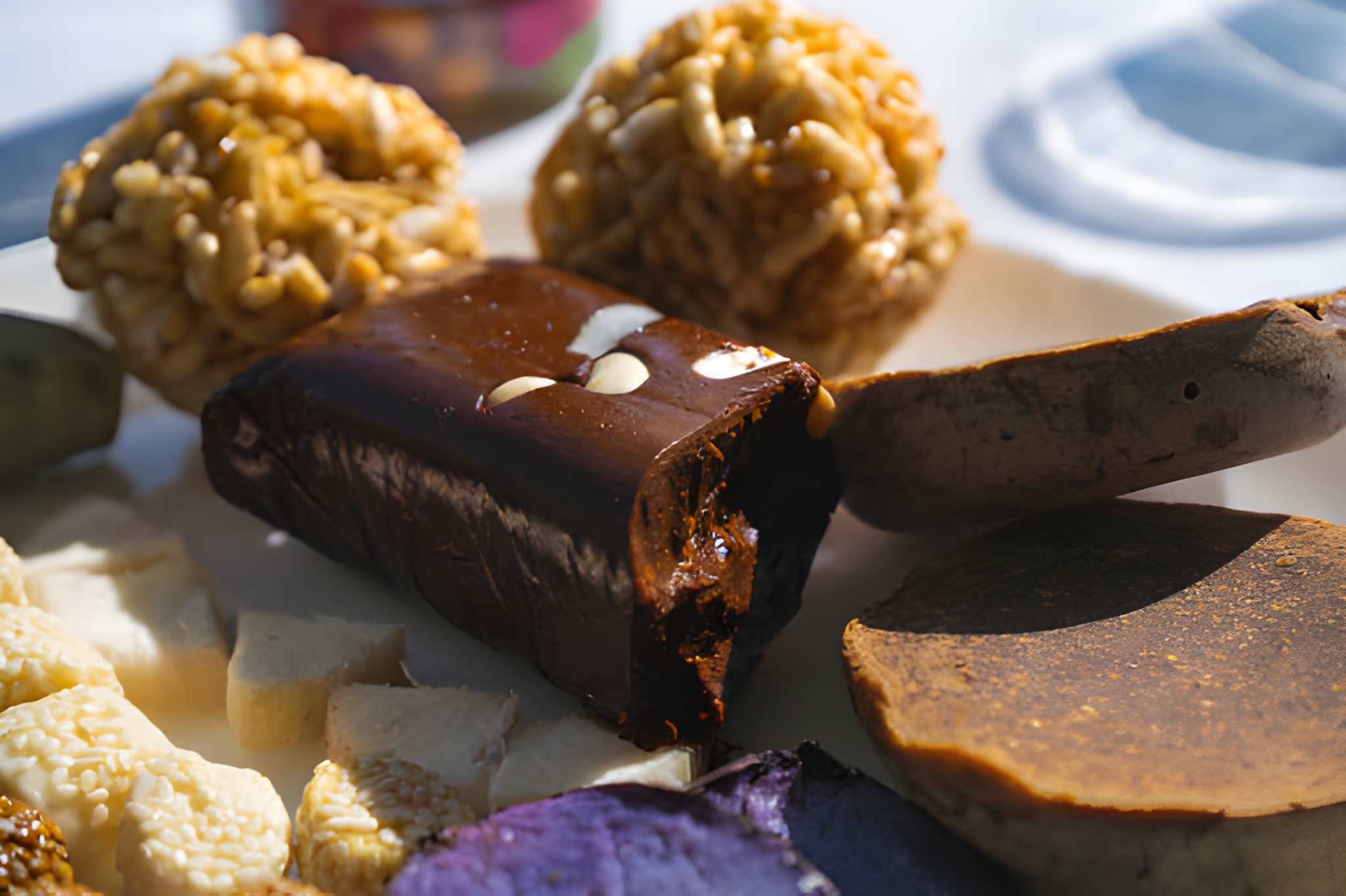
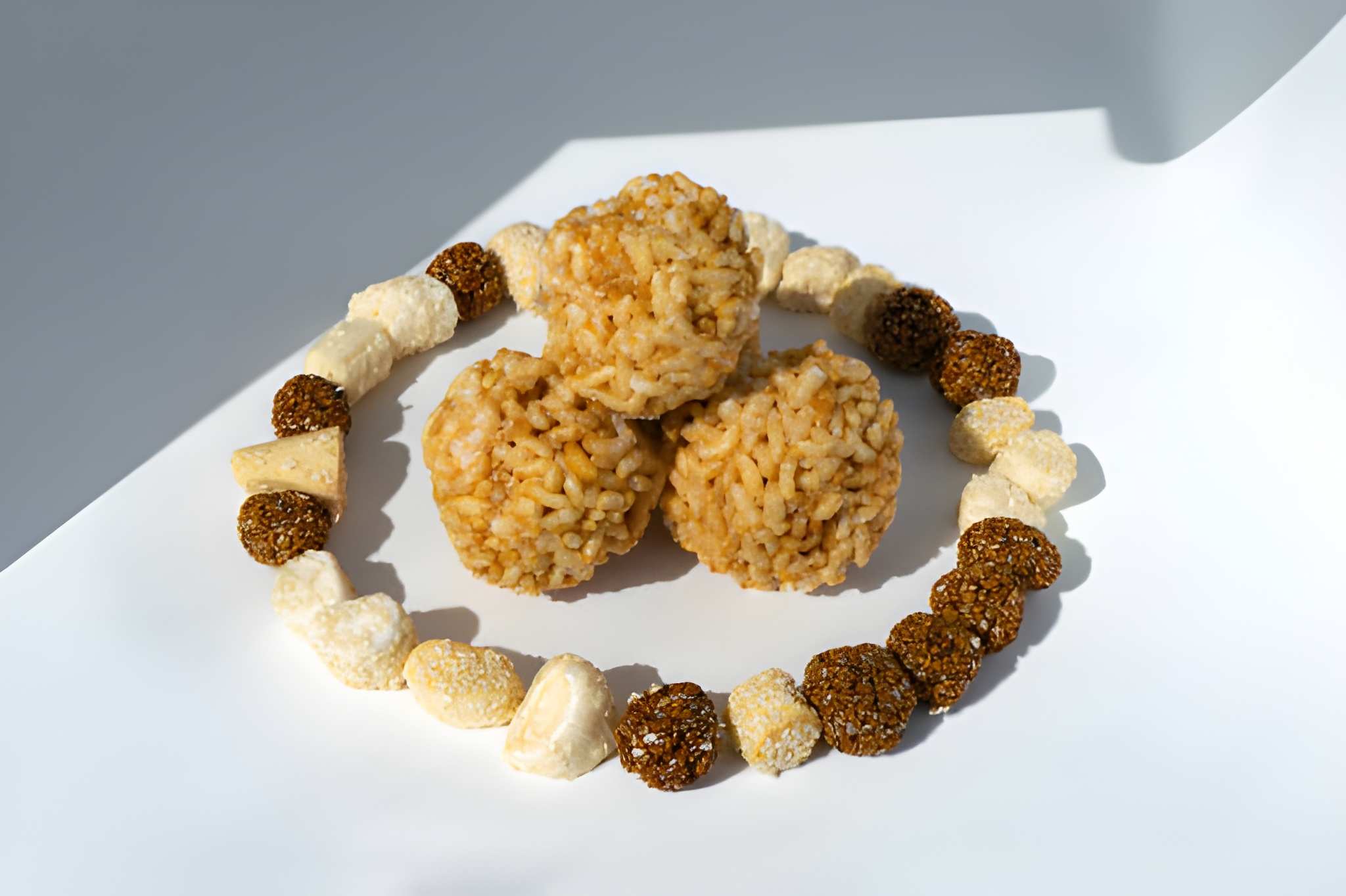
After rituals, families gather for warm Maghe Sankranti meals, including til ko laddu, chaku, ghee, yams, and sweet potatoes, which are eaten quietly rather than celebrated loudly.
The food grounds the body after a cold morning. It marks a transition, not a triumph. Eating becomes the final ritual, closing the circle of the day’s devotion.
Here, nourishment matters more than festivity.
Children experiencing their first Maghe Sankranti in Janakpur learn by watching. Parents guide behavior subtly, letting the environment do the teaching.
These early memories aren’t dramatic. They’re composed of small impressions. The cold air, soft bells, and careful walking will resurface years later as a familiar sensation.
This is how continuity works: quietly, without instruction.
By early afternoon, Janakpur resumes its normal rhythm slowly. Shops reopen, traffic returns, and the festival is drenched with various ceremonies.
There’s no closing event, no final announcement. Maghe Sankranti ends the way it began, gently.
The absence of spectacle reinforces the day’s meaning: what mattered has already happened.
Maghe Sankranti in Janakpur shows that festivals are built from accumulated small moments, not grand gestures. To notice them requires proximity, meaning you need to be staying near Janaki Mandir, moving slowly, and allowing the morning to unfold without rushing.
These moments don’t ask for attention. They reward it. And in a city shaped by devotion and memory, that quiet attentiveness is what turns a date on the calendar into an experience that stays.
Interested in learning more about the culture of Janakpur? Check out this blog on Vivah Panchami, the biggest festival celebrated in Janakpur.